
Anúncios
The healthcare sector stands apart from virtually every other industry. It is not merely a workplace; it is an ecosystem where operational efficiency meets human vulnerability, where clinical expertise intersects with administrative precision.
As a post-graduate stepping into hospital jobs in 2026, you are entering a field that demands more than academic credentials. It demands the ability to navigate complexity, communicate across disciplines, and deliver results when the stakes could not be higher.
Anúncios
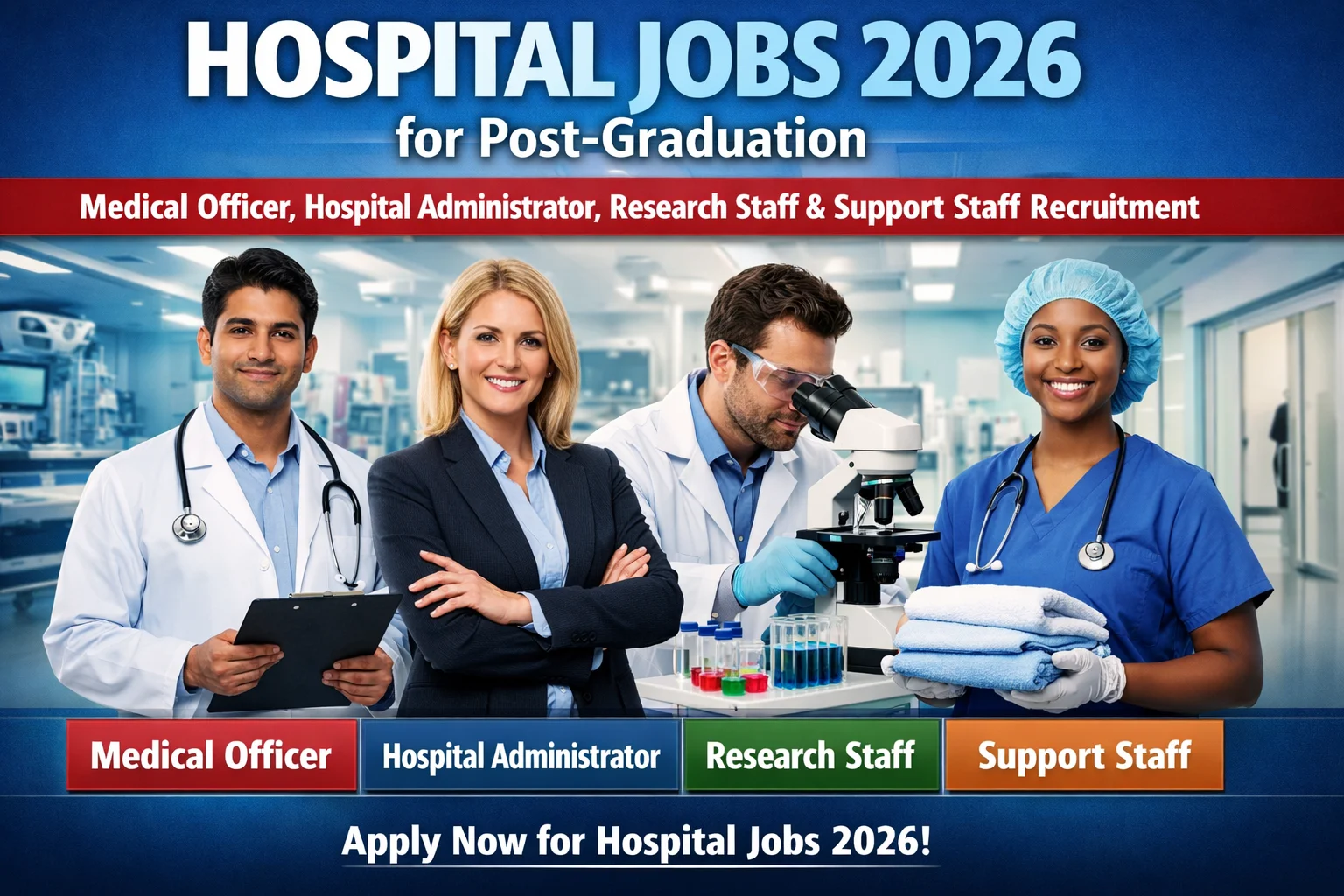
Whether your postgraduate training is in medicine, healthcare administration, public health, or management, the hospital environment offers diverse career pathways. From Medical Officers delivering frontline care to Hospital Administrators shaping policy, from Research Staff advancing medical knowledge to Support Staff leadership ensuring seamless operations—each role requires a distinct blend of technical competence and emotional intelligence. Here is your blueprint for turning your degree into a meaningful career in the hospital sector.
Understanding the Landscape of Hospital Roles
The modern hospital is a complex organization. For post-graduates, the opportunities extend far beyond the traditional image of a doctor in a white coat. Understanding where you fit within this ecosystem is the first step toward building a sustainable career.
Medical Officers
For post-graduates with clinical backgrounds, the role of Medical Officer serves as a critical entry point into hospital-based practice. Medical Officers are responsible for patient assessment, treatment planning, and coordination with specialist departments. In 2026, hospitals are seeking Medical Officers who not only possess strong clinical judgment but also demonstrate proficiency in digital health records, telemedicine platforms, and interdisciplinary collaboration. The days of the solitary practitioner are over; today’s Medical Officer must function as part of a coordinated care team.
Hospital Administrators
This role has evolved dramatically over the past decade. Hospital Administrators are no longer simply “managers”; they are strategic leaders responsible for operational efficiency, regulatory compliance, financial sustainability, and patient experience. Post-graduates with degrees in hospital administration, public health, or business management are increasingly being recruited into these positions. The most successful administrators understand that their role is to create the conditions in which clinicians can deliver exceptional care. They bridge the gap between medical staff, executive leadership, and support services.
Research Staff
Hospitals are hubs of medical innovation. Research roles—spanning clinical research coordinators, data analysts, and laboratory research associates—offer post-graduates the opportunity to contribute to advancing medical knowledge. These positions require meticulous attention to protocol, familiarity with ethical standards, and the ability to translate complex data into actionable insights. For those with postgraduate training in life sciences, public health, or epidemiology, research roles provide a pathway to impact that extends far beyond individual patient encounters.
Support Staff Leadership
The term “support staff” belies the critical importance of these roles. From patient services supervisors to medical records managers, from housekeeping leadership to supply chain coordinators, support staff are the operational backbone of any hospital. In 2026, hospitals are seeking post-graduates to lead these functions with strategic thinking and efficiency. A well-managed supply chain can mean the difference between a surgery proceeding on time or being delayed. An organized medical records department ensures accurate billing and continuity of care. These roles offer significant responsibility and clear pathways to senior operational leadership.
The Skills That Define Success in Hospital Jobs
Your postgraduate degree provided you with foundational knowledge. But succeeding in a hospital environment requires a specific set of competencies that go beyond your area of study.
Clinical and Administrative Integration
Whether you are a Medical Officer or a Hospital Administrator, you must understand how clinical and administrative functions intersect. Decisions about staffing, resource allocation, and workflow directly impact patient outcomes. The most effective hospital professionals are those who can see the big picture—who understand that a delay in the emergency department affects surgical schedules, which affects bed availability, which affects patient satisfaction. Develop the ability to think systemically about how your role connects to the broader hospital operation.
Regulatory and Compliance Acumen
Hospitals operate within a stringent regulatory environment. From patient privacy laws to accreditation standards, compliance is non-negotiable. Post-graduates entering hospital jobs must demonstrate awareness of these frameworks and a commitment to upholding them. In interviews and on the job, your ability to speak knowledgeably about regulatory requirements will signal your readiness for responsibility.
Communication Across Disciplines
Hospitals bring together professionals with vastly different training, priorities, and communication styles. A surgeon, a nurse, an administrator, and a patient services coordinator may all have different perspectives on the same situation. Your ability to communicate clearly, respectfully, and persuasively across these groups will determine your effectiveness. Practice translating complex concepts into language that colleagues from other disciplines can understand. Learn to listen as much as you speak.
Composure Under Pressure
Healthcare is inherently unpredictable. Codes, emergencies, and operational crises are part of the reality of hospital work. Your response to pressure will define your reputation. Cultivate the ability to remain calm, prioritize effectively, and communicate clearly when others around you may be feeling overwhelmed. This composure is not innate; it is a skill developed through practice and reflection.
Navigating Recruitment in 2026
The recruitment landscape for hospital jobs has evolved. Employers are looking for candidates who can demonstrate readiness to contribute from the outset.
For Clinical Roles
Medical Officer positions require not only the appropriate qualifications and licensure but also evidence of clinical experience gained during internships or postings. Your resume should highlight specific rotations, procedures, and patient populations you have worked with. Be prepared for scenario-based interviews that assess your clinical reasoning and decision-making under time constraints.
For Administrative and Support Roles
Hospital administrators and support staff leaders should focus their applications on results. Where have you improved efficiency, reduced costs, or enhanced patient experience? Use numbers to tell your story. For example, instead of stating that you “assisted with departmental operations,” describe how you “streamlined patient intake processes, reducing average wait times by 20 percent.”
For Research Roles
Your application should emphasize your familiarity with research protocols, data management, and ethical standards. Highlight any publications, conference presentations, or significant projects completed during your postgraduate studies. Research roles often require meticulous attention to detail; your application materials should reflect that same precision.
Building a Sustainable Career
Hospital jobs offer stability, purpose, and opportunities for growth. But longevity in this sector requires intentional career management. Seek mentors who can offer guidance on navigating the unique challenges of healthcare environments. Pursue continuing education to stay current with evolving practices and technologies. And perhaps most importantly, prioritize your own well-being. Healthcare professionals are at risk of burnout; building habits of self-care and maintaining boundaries is essential to sustaining a long and fulfilling career.
Your postgraduate degree has prepared you for this moment. The hospital sector in 2026 needs professionals who bring not only knowledge but also empathy, resilience, and strategic thinking. Whether you choose a clinical, administrative, research, or support pathway, you have the opportunity to make a meaningful difference in the lives of patients and the functioning of the institutions that serve them. Step forward with confidence. Your career in hospital jobs begins now.